Cost of Living

US sales tax explained: why the price on the shelf isn’t the price you pay

Sales tax is added at checkout and changes by state and city. Here’s how it works.

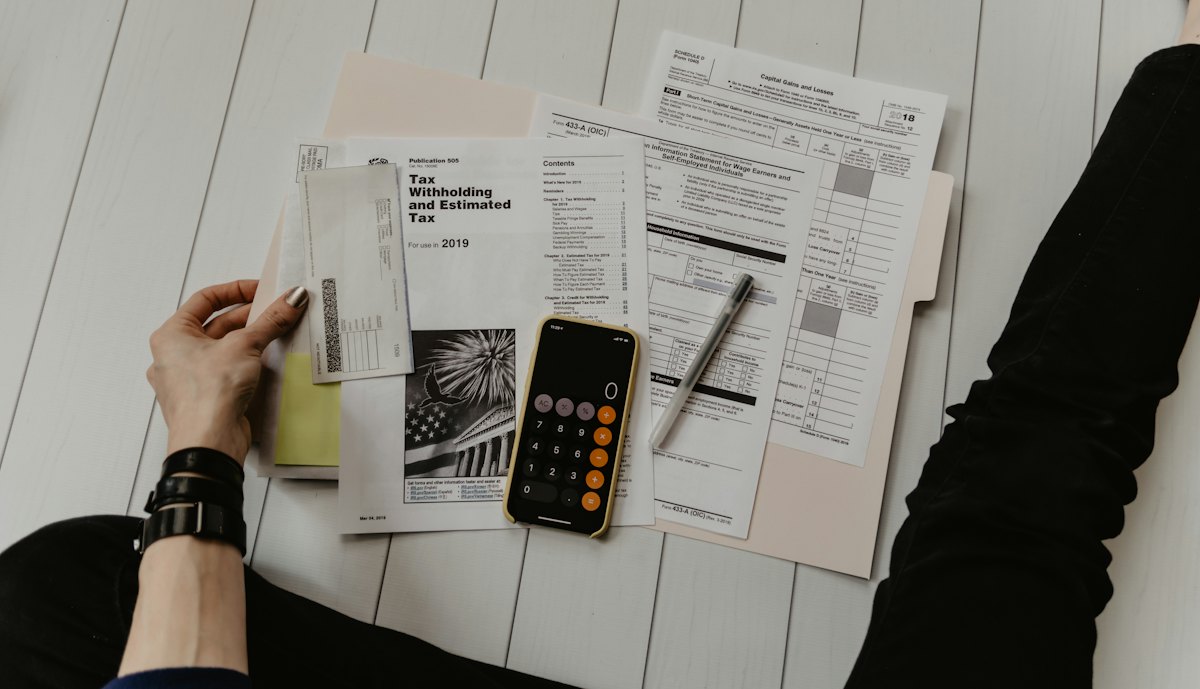
Calculator and paperwork

This guide contains affiliate links. If you sign up or buy through them we may earn a commission, at no extra cost to you. It never affects what we recommend. Learn more.

In many countries the price on the tag includes tax. In the US, sales tax is usually added when you pay, which surprises almost every newcomer at the first checkout.

How it works

There’s no national sales tax. States set their own rates, and counties and cities can add more. The combined rate is what you pay.

States with no statewide sales tax

Alaska, Delaware, Montana, New Hampshire and Oregon don’t have a statewide sales tax, though some local areas in Alaska do.

What’s often exempt or reduced

  • Groceries in many states
  • Prescription medicine
  • Some clothing in certain states
  • Services, depending on the state

Quick math

If the combined rate is 8%, multiply the price by 1.08. A $50 item costs $54.

Budget tip: Add roughly 5–10% to shelf prices when estimating your monthly spending, depending on where you live.

Frequently asked questions

Why don’t US prices include tax?

Rates vary by location, so stores show pre-tax prices and add tax at checkout.

Which states have no sales tax?

Alaska, Delaware, Montana, New Hampshire and Oregon have no statewide sales tax.

Is food taxed in the US?

Groceries are exempt or taxed at a lower rate in many states; restaurant meals are usually taxed.

USA Life Nest Editorial Team

Written and reviewed by people who moved to the US as students, workers and families. We update guides when rules or prices change.

Editorial policy · Report a correction

Newsletter

One practical guide in your inbox each week.

No spam. Unsubscribe anytime.