Miami feels international in a way few US cities do. You’ll hear Spanish, Portuguese and Haitian Creole on the same block, and many residents were born somewhere else. For newcomers from Latin America and the Caribbean, it can feel familiar quickly.
Neighborhoods
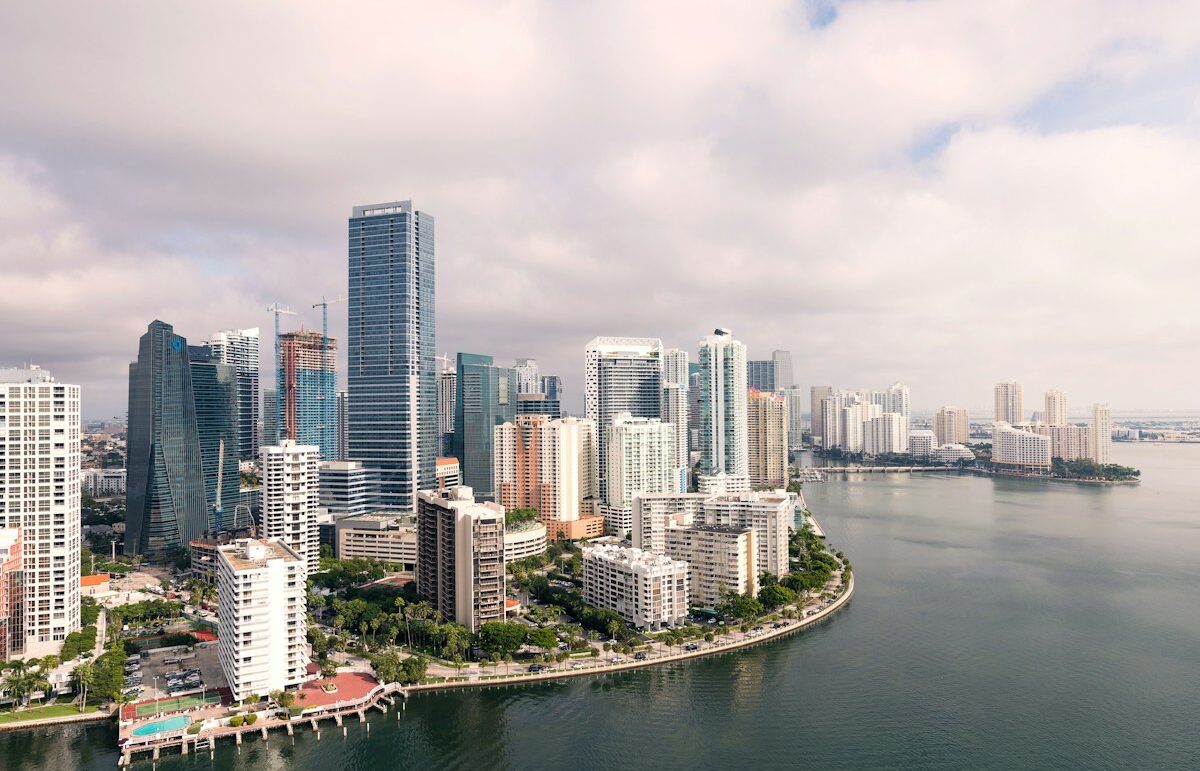
- Brickell: high-rises, walkable, near the financial district
- Little Havana: central, more affordable, strong Cuban culture
- Coral Gables: leafy and calm, near the University of Miami
- Doral: near the airport, large Venezuelan community
- North Miami and Miami Gardens: more space for the money
Hurricane season
The season runs from June 1 to November 30, with most activity from August to October. Look up your evacuation zone as soon as you have an address. Keep water, batteries, a flashlight and important documents ready. When you look at apartments, ask whether the windows are impact-rated or have shutters.
Insurance costs
Two costs surprise newcomers here. Florida car insurance is among the highest in the country, and flood insurance is separate from renters insurance. Many ground-floor apartments near the water are in flood zones. Get quotes before you pick a neighborhood.
Taxes and work
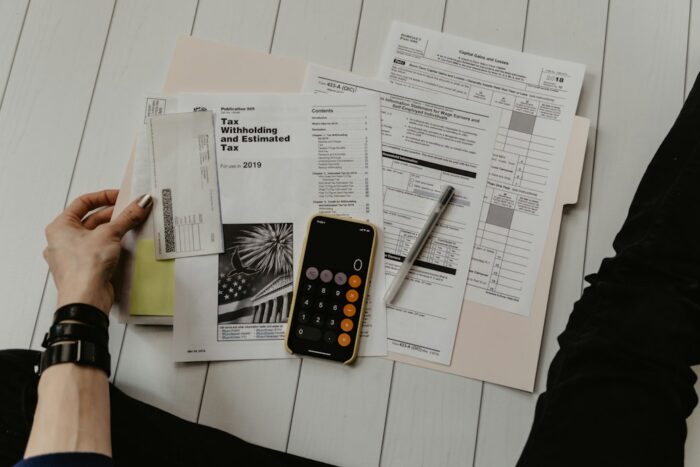
Florida has no state income tax. Big employers include tourism, international trade, healthcare, real estate and a growing tech scene. Being bilingual is a real advantage in many roles.
Daily life
It’s warm year-round, with a hot, rainy summer and a mild, dry winter. Afternoon thunderstorms are common in summer, usually brief. Most people drive, though Metrorail and the free Metromover help downtown.