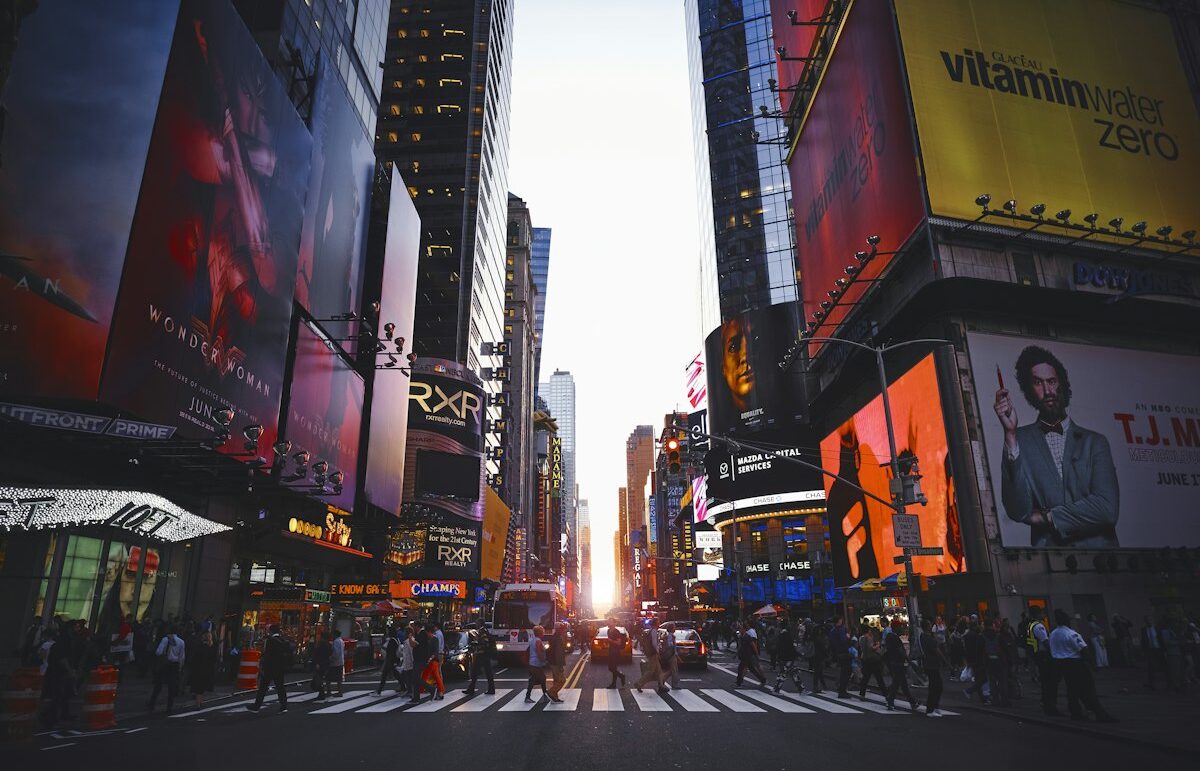
New York is expensive, crowded and loud. It’s also one of the easiest places in the US to arrive from another country. Almost every nationality has a community here, you don’t need a car, and there’s always something open at 11pm. The first month is the hard part. This guide is built to make it shorter.
Choosing where to live
People who are new to the city often pick a neighborhood by name. People who’ve lived here a while pick by commute. Find your office or campus on a map and look at which subway lines reach it directly. A 30-minute ride without transfers is often better than a 20-minute ride with two.
| Area | Why people like it | Trade-offs |
|---|---|---|
| Astoria, Queens | Fast N/W trains to Midtown, great food, quieter streets | Fewer late-night options |
| Long Island City, Queens | New buildings, one stop from Manhattan | Higher rent than the rest of Queens |
| Jackson Heights, Queens | One of the most diverse neighborhoods in the country | Busy and noisy near the main avenues |
| Crown Heights, Brooklyn | Brownstones, parks, more space | Longer ride to Midtown |
| Bushwick, Brooklyn | Younger crowd, arts scene | Mixed building quality |
| Washington Heights, Manhattan | Bigger apartments for the price, express A train | Far from downtown |
| Jersey City, NJ | PATH train to Manhattan, new buildings | Different state taxes and rules |
What rent really costs
Rent in New York changes constantly and varies block by block. Look at current listings on several sites for the specific neighborhoods you’re considering, and treat anything well below the average with suspicion.
Two rules shape your search. Most landlords want your annual income to be at least 40 times the monthly rent. So for a $2,500 apartment, they’ll want to see $100,000 a year. If you don’t meet that, a guarantor usually needs about 80 times the rent. Guarantor companies exist for exactly this situation.
Broker fees: New York changed its rules on broker fees in 2025, so tenants generally shouldn’t pay a broker hired by the landlord. Ask upfront who hired the broker and who pays.
Timing your search
Apartments in New York usually come on the market 30 days or less before move-in. Searching three months ahead rarely works. Book a short-term rental or sublet for your first few weeks, then search in person.
The subway, buses and getting around
The subway runs 24 hours a day, every day. Tap a contactless card or phone at the turnstile. Fares cap automatically: after 12 rides in a rolling seven-day period, the rest of the week is free. Buses use the same system, and a transfer between bus and subway within two hours is free.
- Use a transit app for live train times and service changes
- Weekend and late-night service changes are common; check before you go
- “Uptown” means north and “downtown” means south in Manhattan
- Citi Bike is useful for short trips in good weather
IDNYC: the free city ID
IDNYC is a free government ID card for any New York City resident aged 10 and over, regardless of immigration status. It can help with some bank accounts and city services, and it gives free memberships at many museums and cultural institutions for a year. Apply once you have proof of a New York address.
Your first two weeks
- Get a US phone number
- Open a checking account
- Apply for your SSN if you’re authorized to work
- Set up a short-term place to stay, then start apartment viewings
- Get IDNYC once you have an address
- Find a nearby urgent care clinic in your insurance network
- Register with your consulate if your country offers it
Taxes and costs to plan for
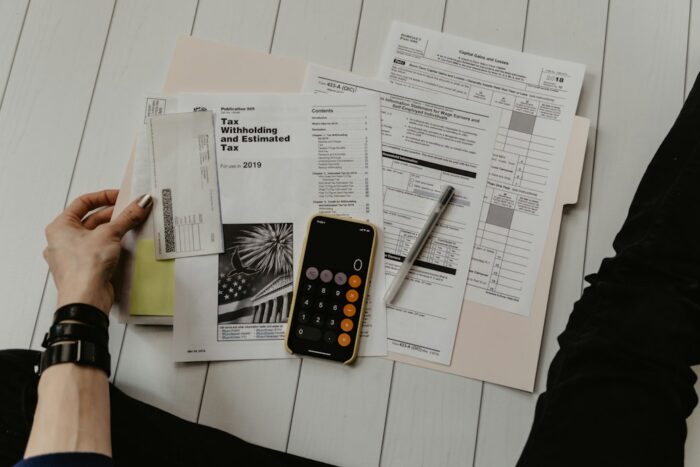
New York City residents pay federal, New York State and New York City income tax. Sales tax is added at checkout. Groceries, laundry and eating out cost more than in most US cities, but not owning a car saves a lot.
Weather
Summers are hot and humid, and winters bring snow and wind between the buildings. Buy winter clothing after you arrive; local stores stock what actually works here, and sales start in January.
Making it feel like home
Find a neighborhood grocery that stocks food from home. Join a recreational league, a running group or a class. New Yorkers look busy and brusque on the street, but they’re often surprisingly helpful when you ask for directions.
Neighborhood checklist for a viewing
- Walk from the apartment to the subway at the time you’d commute
- Look for a grocery store, pharmacy and laundromat within a few blocks
- Visit at night to see how it feels
- Check noise from bars, trains or construction
- Ask current tenants what they like and don’t
Apartment types you’ll see
| Term | What it means |
|---|---|
| Studio | One main room with a kitchen area |
| Junior one-bedroom | A studio with a small separate sleeping area |
| One-bedroom | Separate bedroom and living space |
| Walk-up | No elevator |
| Doorman building | Staffed lobby, often with package handling |
| Railroad apartment | Rooms in a line, each opening into the next |
| Rent-stabilized | Rent increases limited by city rules |
Groceries and daily costs
Big supermarkets are fewer in Manhattan than in the rest of the city. Many people shop at neighborhood grocers, ethnic markets and weekly farmers markets. Discount chains and warehouse clubs in Queens, Brooklyn and New Jersey can save a lot on staples if you can carry or deliver them.
Healthcare in the city
Urgent care clinics are everywhere, and many take walk-ins. NYC Health + Hospitals runs public hospitals and clinics across all five boroughs and offers programs for people with limited or no insurance. Find an in-network primary care doctor early, since new-patient appointments can take weeks.
Seasonal tips
- Summer: carry water, use cooling centers during heat waves, and expect hot subway platforms
- Fall: the best weather of the year and a busy apartment market
- Winter: waterproof boots matter more than a heavy coat for slushy corners
- Spring: rain and wind; an umbrella breaks easily between tall buildings
Common first-month mistakes
- Signing a lease you haven’t fully read under time pressure
- Choosing a place with a long transfer-heavy commute
- Paying cash deposits without receipts
- Buying furniture before measuring doorways and stairs
- Underestimating how much eating out costs
Your first NYC weekend
Once the essentials are done, spend a weekend getting to know the city on foot. Walk the Brooklyn Bridge early in the morning, take the free Staten Island Ferry for a view of the harbor, and explore the neighborhood you’re living in. With IDNYC, many museums are free for your first year of membership. Parks like Prospect Park and Central Park host free events most summer weekends.
Working in New York
Finance, tech, media, healthcare and education are major employers. Networking events, alumni groups and industry meetups are frequent and often free. Many jobs expect some in-office days, which is another reason commute matters when choosing where to live.
Useful city services
- 311: the city’s line for non-emergency questions and complaints, including heat outages
- NYC Health + Hospitals: public healthcare across all boroughs
- Public libraries: free English classes, job help and Wi-Fi
- Community boards: local meetings on neighborhood issues
Money-saving habits New Yorkers use
- Cook more; buy staples at larger supermarkets outside Manhattan
- Use the fare cap instead of rideshares
- Look for happy hour and lunch specials rather than dinner out
- Get free culture: museums with pay-what-you-wish hours, free concerts in parks
- Split bulk purchases with roommates
Small changes add up in a city where a coffee and a sandwich can cost as much as a meal elsewhere.